NVS Ono keel vs Jim Banks Hooker vs JBK 2.1: fin test
Updated 2026-09-19

| Length | 6'6" |
|---|---|
| Width | 21 3/8 in |
| Thickness | 3 1/8 in |
| Volume | 44 L |
| Fin config | Twin |
| Top speed | 27.2 km/h |
| Wave range | 1 to 6 ft |
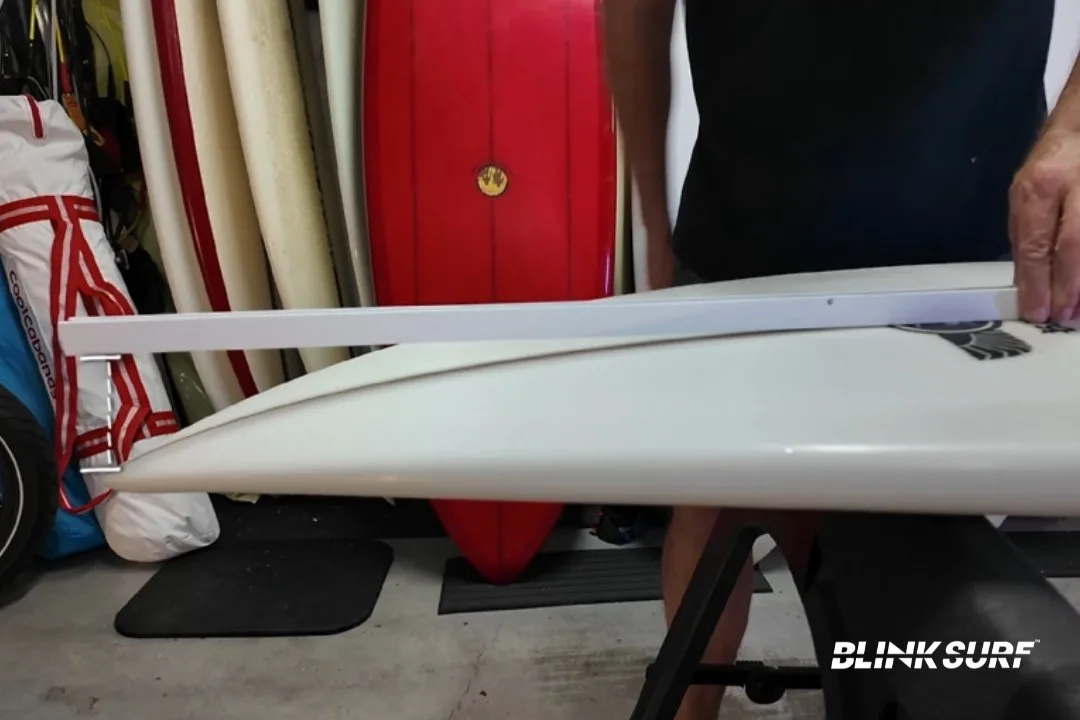
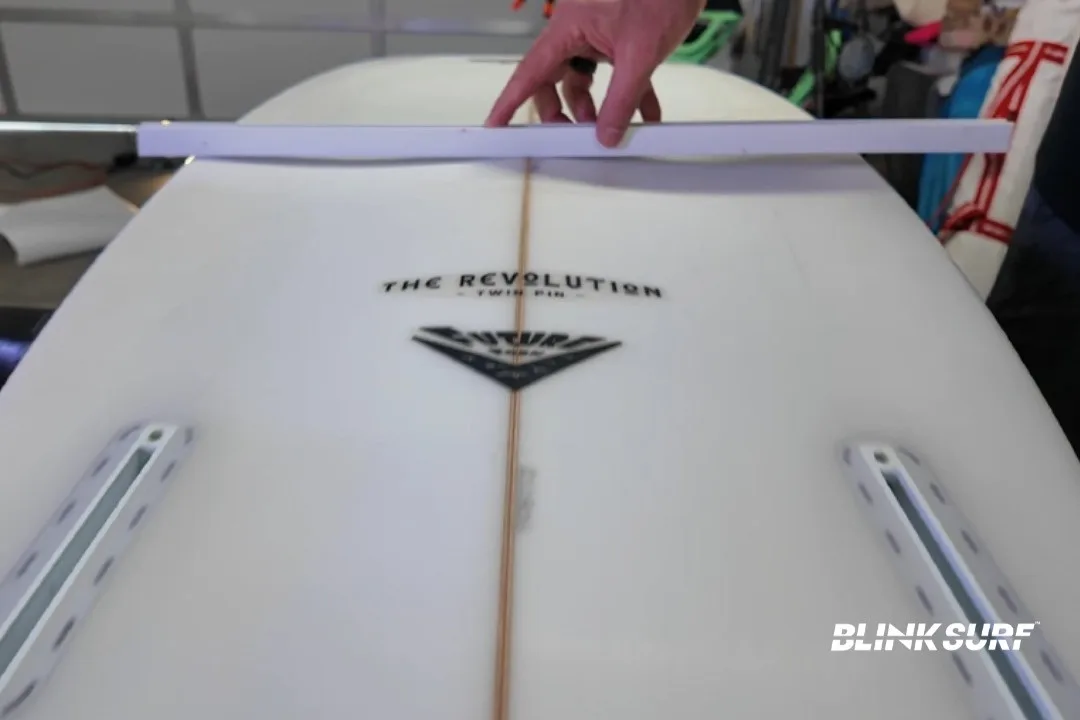
The same board that turns beautifully in two to four feet became genuinely hard to control the moment the swell pushed to five feet, and the fin already in the box was the reason. This pintail runs an aggressive double concave with the stringer line sitting below the rails, and it rewards a fin that can rein that contour in rather than amplify it.
Why the NVS Ono keel felt ballistic at size
With the NVS Ono keel fitted, a session in five feet turned dynamic to the point of being hard to control, a step up from how settled the same board feels in two to four feet. The keel has a little less surface area than the alternatives below, which should in theory make the board faster with more drive, but on a bottom contour this aggressive, less surface area also means less to hold the board in shape once it starts moving.
Comparing the Jim Banks Hooker and the JBK 2.1
Side by side, the Jim Banks Hooker has a noticeably longer base and a taller stance than both the Ono keel and the JBK 2.1, and that extra height is what gives it those big, wrapping S-carves. The front profile between the Hooker and the Ono keel is almost identical, which is why swapping between them changes control more than it changes outline.
Lined up against the Hooker, the JBK 2.1 sits at a similar base width but carries more drive through the middle of the fin and a slightly more raked-back angle. On a pintail this reactive, that combination should hold the board more in shape without stripping out its speed, at the cost of slightly less turning range than the taller Hooker allows. I would not normally put a keel this size on a pintail, but the double concave here is aggressive enough that it changes the usual rule.
The plan for the next session
With a bigger swell forecast for the following day, the JBK 2.1 was the fin going back in the box rather than the Ono keel or the Hooker, on the logic that the board needed more control at that contour before more drive or more turning range. This board runs its best in two to four feet under normal circumstances; its best logged session produced a 192 metre wave at 27.2 km/h (16.9 mph), and it is a board that manoeuvres well until it gets pushed past its comfort zone, at which point fin choice stops being a preference and starts being the difference between a good wave and a bad one.
Why three fins for one board is not overkill
Keeping three genuinely different fin templates on hand for a single board sounds excessive until you own a board with a bottom contour this aggressive. A milder twin fin tolerates a wider range of fins without much change in feel; this one amplifies whatever a fin gives it, for better or worse. The Ono keel amplifies speed and looseness, the Hooker amplifies turning radius, and the JBK 2.1 sits between the two, trading a little of each for more predictable control. None of the three is the wrong fin in absolute terms; each is the right fin for a different wave size and a different appetite for risk on the day.
Questions people ask
Why did the same board feel so different in bigger waves?
The fin, not the wave size on its own. A keel with less surface area let the board's already aggressive double concave move around more once the swell built to five feet.
What is the difference between the JBK 2.1 and a Jim Banks Hooker?
The Hooker has a longer, taller base for bigger, wrapping turns. The JBK 2.1 carries more drive through the middle and sits at a similar base width but with a more raked-back angle.
Should you put a keel fin on a pintail?
Not usually, but a board with an unusually aggressive double concave, like this one, can suit a keel better than the more common upright choice most pintails run.
Is this board hard to control in bigger waves?
It gets noticeably more dynamic and demanding past four feet, which is why fin choice matters more here than on a milder twin fin.
This board's slide-out with a different fin family altogether is covered in C-Drive vs S-Wings, and the wider case for keel versus upright choice sits in keels or upright twin fins and do fins make a difference. For more on double concave and channel bottoms generally, see do surfboard channels even work. This board is part of my current quiver.